

The shock indicator label is a precise impact-monitoring device. When used correctly, it helps detect handling events that may have exposed a shipment to damaging G force. Proper selection, placement, and application are all critical to getting meaningful results and protecting your shipment.
Transportation testing and packaging validation often utilize procedures published by ASTM International to evaluate how products and packaging perform under handling stresses commonly encountered during storage and transit. These evaluations help organizations establish inspection criteria and determine appropriate impact indicator thresholds.
Steps for Use
- Apply the warning label in the correct position on the package.
- Attach the shock indicator label by tearing it off, or for Impact Indicator 2, use the adhesive and apply it to the yellow or blue area of the warning label.
- Place a small warning sticker on the bill of lading to alert handlers that the shipment is being monitored with a shock indicator label.
Placement Matters
Indicator placement is one of the most important parts of successful shock monitoring. The position of the indicator affects how it responds to impact, which means placement can influence the effective sensitivity of the product.
As a general best practice:
- Small boxes: place the indicator near a top corner.
- Large boxes: place the indicator close to a side at about one-third of the package height from the bottom. For example, on a 30-inch-high carton, place the indicator about 10 inches up from the floor.
- Do not mount the indicator higher than 27 to 28 inches from the bottom unless testing or application conditions require it. Higher placement may cause the indicator to respond differently than expected based on the selection guide.
- If a higher mounting position is necessary to prevent premature activation, it may be better to use one step less sensitive.
Recommended Placement by Sensitivity
Shock Indicator 25G
Bottom corner for large goods
Shock Indicator 37G
Bottom corner for large goods
Shock Indicator 50G
Top corner for small goods
Bottom corner for large goods
Shock Indicator 75G
Top corner for small goods
Shock Indicator Label 100G
Top corner for small goods
Recommendations for the Placement of Product Models:
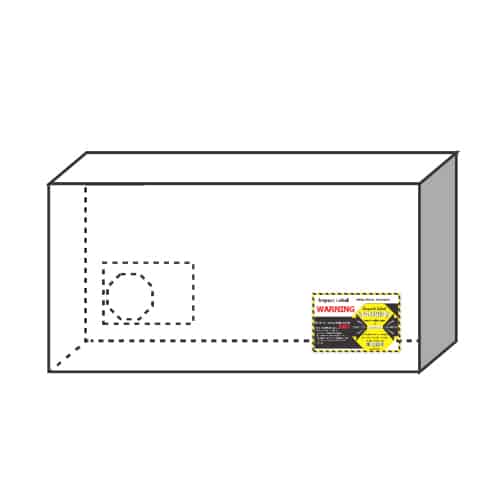
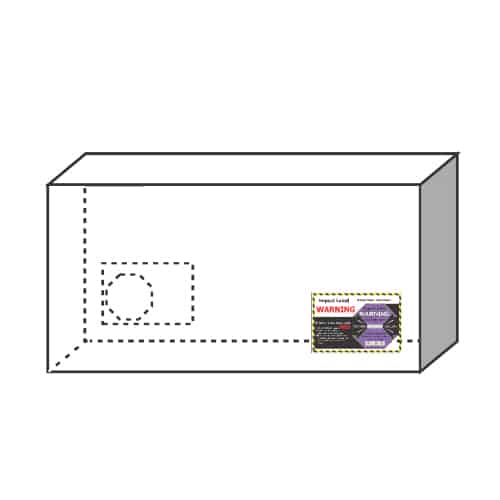 Bottom Corner for Large Goods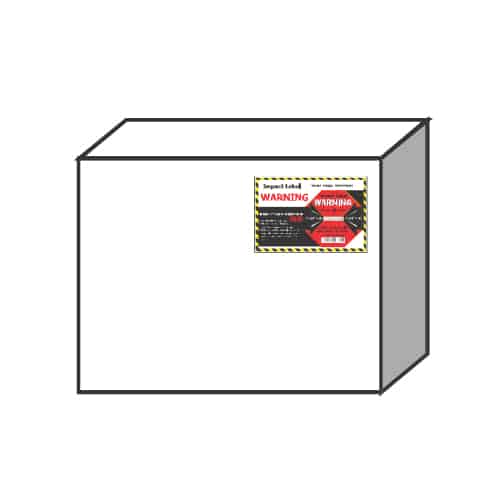
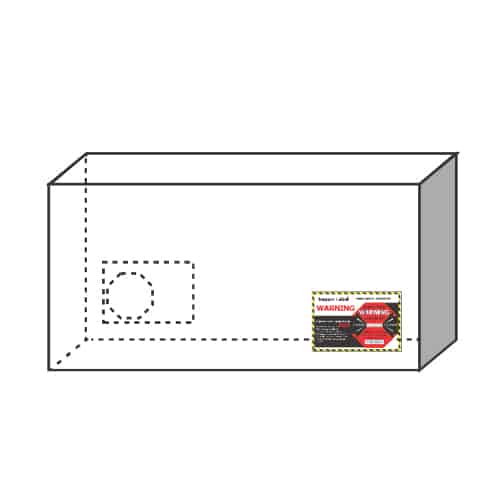 Bottom Corner for Large Goods
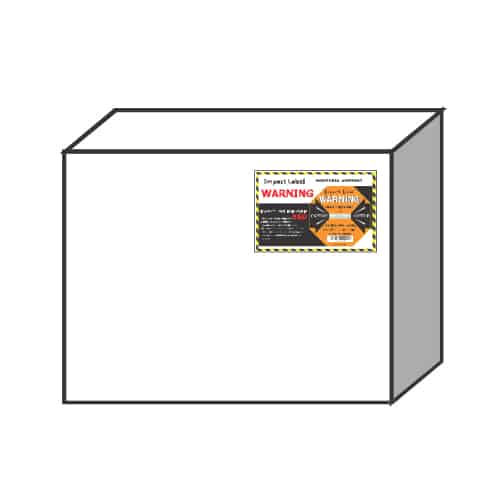 Top Corner for Small Goods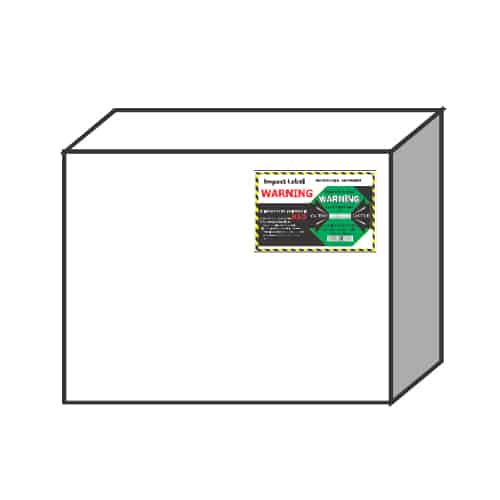
***Important
Always place the indicator on the area of the packaging where the product is most susceptible to impact. Apply only on a hard surface. Do not place the indicator in the center of the carton or on stretch film, as this can interfere with proper performance.
For best results, indicator selection should also consider package size, weight, fragility, and placement location—not just the target drop height.
Need help choosing the right sensitivity or placement? Contact a ThermLogix technical expert. We are ready to help with your shipment damage detection requirements.
If you want, I can turn this into a more polished Shopify blog/article format with section headers and callout boxes.
Note: Many manufacturers validate packaging performance using transportation testing methodologies developed by the International Safe Transit Association (ISTA) to better understand how products respond to impacts, vibration, and real-world shipping conditions before deployment.